
Make Your Home Inspection Worthwhile With These 6 Tips
Ok first things first: we know a lot of you might be reading this and asking…
“But why do I even need a home inspection??”
Fair question. You’ve already scheduled the appraisal that your mortgage lender required… that should cover it right?
Unfortunately… no.
Whilst an appraiser will use stuff like age, condition, construction materials, neighborhood & comparable local homes sales to assess the estimated market value of the property, an inspector will closely examine the exterior and interior details including the structural integrity, plumbing, electricity etc. to identify any damage or potential issues that you need to be aware of before going ahead with the purchase.
In short: A home inspection, whilst not generally required, is worth spending the extra money on – it really is your best defense against going from “New house high” to “home improvements hell” before the house-warming invitations have even gone out.
Have we convinced you?
Great, then here’s the good news: if you’re spending that money we want to make sure it’s going to good use so read on for TDO’s 6 top tips for optimizing the value of your home inspection and making it work for you.

1. “80% Of Success Is Showing Up 🙌
We’re not sure where Woody Allen got his numbers from but the sentiment is solid. If you’re paying out for a good, certified inspector then one of the most impactful things you can do is be physically present to make full use of their time and expertise!
Maximize their time by sharing any knowledge or context you have about the property that could support the inspection, and be sure to ask as many questions as you can (even the awks ones!) to ensure you fully understand any issues and their potential consequences.
Want bonus points? Do your own run through of the property in advance to check for any obvious signs of problems such as visible water damage, faulty light switches, broken doors etc. That way you come prepared with initial questions or concerns that arise for you.

2. A Picture Is Worth A Thousand Words 📸
The heading for this one says it all. They may not be perfectly positioned, ‘gram-worthy images but whether it is snapping any issues or potential problems or asking your inspector to take pics from the nooks and crannies you can’t (or don’t want to) reach such us on the roof or in your crawl spaces, having photographic evidence that you can refer to later is invaluable.
All inspectors should at least bring along a standard camera for this but when choosing your professional, ask about infrared and thermal imaging so you can also get a glimpse of those hidden spots such as behind the walls and under the floors.

3. The Roof Is On Fire 🔥
Hopefully not literally. But all jokes aside, one of the most cost-intensive pain points when it comes to housing is roof repairs so this is not a headache you want to be surprised with after closing.
Make sure your inspector plays close attention to this area and explains their process and findings thoroughly. You can help by finding out as many details as possible in advance, for example, when was it last replaced and is under warranty?

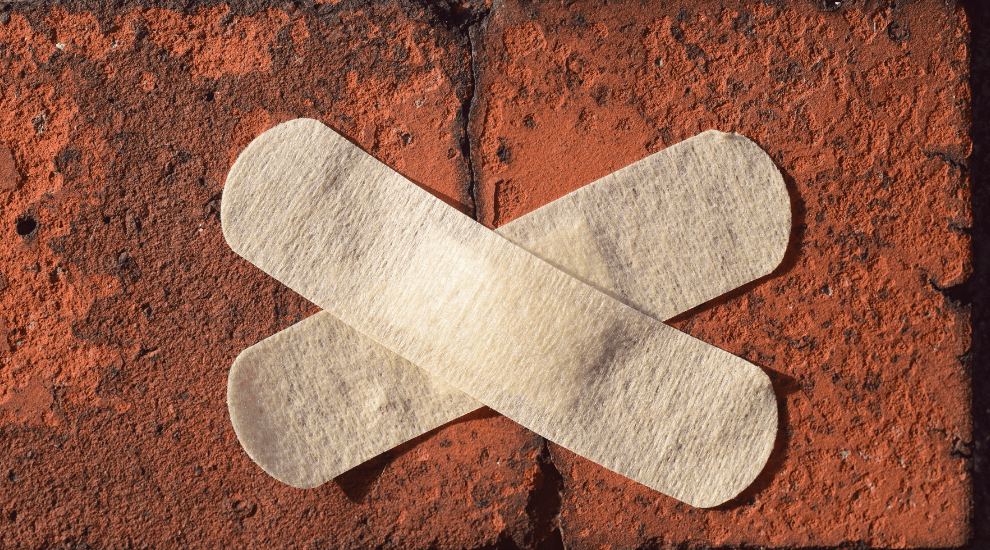
4. Rip Off the Band-Aid 🤕
Again, not literally! But do keep a look out for them; suspicious, small patches of freshly painted wall or seemingly random sections of newly patched flooring or ceilings can be red flags so don’t be afraid to ask and find out what’s behind them.
In addition, keep an eye out for any visible tears or cracks in walls or flooring (especially in the basement!). Whilst these aren’t necessarily indicative of serious problems, it is important to understand the cause in order to properly analyze any potential risks.
5. “Hey… is this thing on?” 🎙️
Your home inspection is your time to test everything. Make a list of questions you want answered and make sure it includes things such as:
Do all of the door and window mechanisms work smoothly?
Do all of the light switches work?
Are the sinks and tubs leak tested?
How is the water pressure?
Where are the water main and shutoff points?
When were the furnace and water heater last replaced?
Do the GFCI outlets work correctly?

6. Flip It And Reverse It ⏪
We often see clients starting out with the appraisal, since this is required by lenders, whilst the inspection typically is not but this can be a costly mistake!
Of course we all hope that the inspection will tell us everything we want to hear but what if it doesn’t? If the inspection uncovers major issues then you may find yourself wanting to reconsider the purchase altogether, meaning if you have completed this first you could be saving yourself hundreds of dollars on an appraisal of a home that you don’t even want.

IN A NUTSHELL:
It’s easy to get caught up in the excitement of purchasing a new home or overwhelmed by a seemingly never-ended list of boring “to do”s that seem arbitrary or repetitive and no one would blame you for wanting to hurry through the minutiae so you can be relaxing homeowner bliss as soon as possible.
But if you want to make sure that the only “new home headache” you have to deal with is the result of too much celebratory bubbly then it’s crucial to prioritize these final details and set yourself up for success.
Did you find these hints helpful? Got burning questions? Or are you a homeowner with experiences to share? Let us know in the comments below!
 TDO PROPERTIES